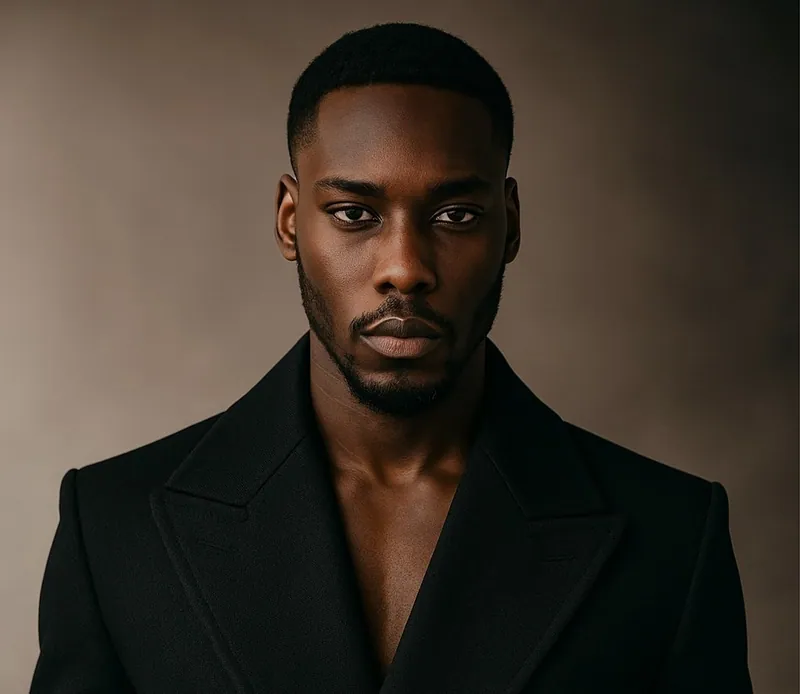
Every gay Nigerian I have known who died, died twice. Once in the body, and once in the story that was told afterwards, in which he had a car accident, or a short illness, or simply went abroad and lost touch. The second death is the one I am afraid of. It is the one this site, the journal and the books are built against.
Testimony, not literature
I do not think of myself as a writer in the way people mean it in England, with prizes and festivals. I think of myself as a witness. Owerri to London is a statement of what was done and by whom, with the names changed only where a real person would be endangered. God Bless Gay People is the inside of the performance. If they are also books, good. They were written to be evidence.
Fiction for what cannot be said
Some things I could not put in a memoir, either because they would expose other people or because I could not stand to write them in the first person. Those went into the novels. I Am Son of a Fallen Woman is about a trade in human beings that I have seen closer than I wanted to. Road to Satanism is about a mother's grief, and I wrote the mother from the inside because I have watched one.
The memoirs are what happened. The novels are what it felt like. The devotional is what kept me alive. The history is who I am.
With my mother
Biafra Rising is the book I am proudest of, because it has two names on it. My mother told me the war stories before I could read. Writing them down with her, and then writing the part she did not live through, the new movement, was the closest I have felt to the boy at D10 in Obinze.
Why a website
Because Amazon can delist a book, a phone can be lost, and a family can decide what is remembered. A site is a fixed address. Everything on it is mine, said in my own words, in English and in Igbo, with my face on it, dated. If you are reading it after I am gone, it was built for you. If you are reading it while I am here, write to me. I answer.