Ifechi Japhet NwaorisaAuthor. Advocate. Owerri to England. Support line
A people, a war, a movement

Biafra

Biafra is the name the Igbo people and their neighbours in the south-east of Nigeria gave to the republic they declared on 30 May 1967, and lost in January 1970 after a war and a famine that killed more than a million people. It is also the name of what refuses to die. I am a Biafran. This section explains what that means.

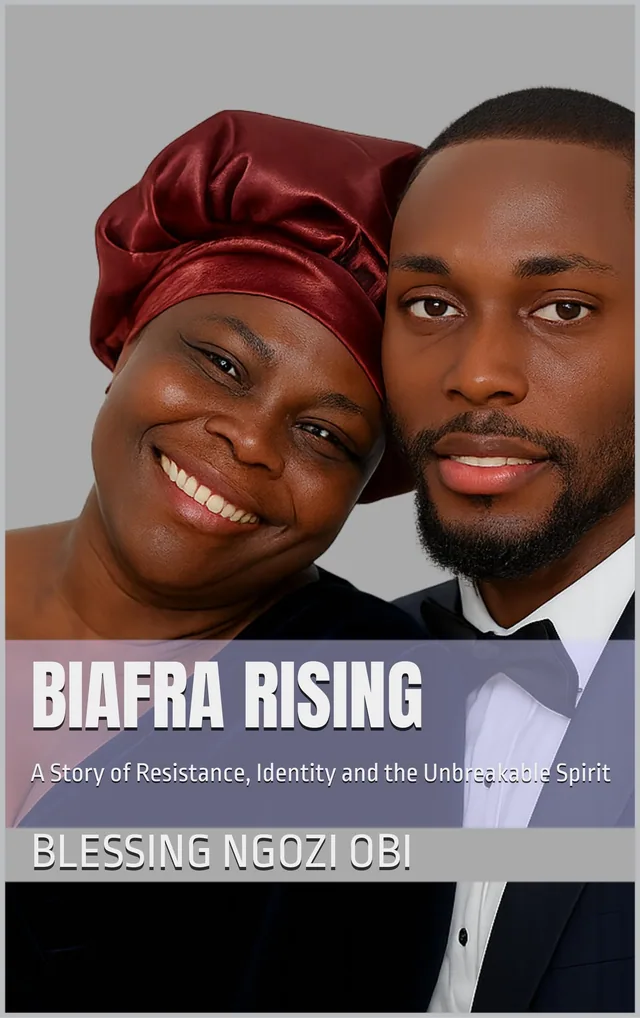
The cover of Biafra Rising, showing Blessing Ngozi Obi and Ifechi Japhet Nwaorisa

Ten chapters

The history first, in five parts: the road to war, the famine, my own city in the war, what came after, and the movement that grew out of the silence. Then the man in the cage, every date in one list, my own reasons, the argument about the word terrorist, and what one person can do without a weapon.

01The historyThis is the history as I would tell it to my younger brother if he asked. Dates and numbers are given as the historians give…Read →02The famineMore people died of hunger in Biafra than died fighting. That was not an accident of war. The blockade was policy, defended out…Read →03Owerri in the warEvery city in the south-east has its war. Owerri's is unusual, because Owerri was lost, won back, and made the capital of a dying…Read →04After the warThe war ended on 15 January 1970 with a phrase: no victor, no vanquished. It was generous and it was a lie, and the thirty years…Read →05The movementA memory that is not allowed to become history becomes a movement. This is what the memory of Biafra became between 1999 and…Read →06Nnamdi KanuNnamdi Kanu is a British citizen born in Umuahia who ran a radio station. He is serving a life sentence in Abuja for terrorism.…Read →07TimelineEvery date used on these pages, in one list, so that nobody has to take my word for the order of things. Where historians…Read →08Why I stand for BiafraI am asked, often by people who mean well, how a gay man can stand for a movement whose leaders have not always stood for him.…Read →09IPOBWhat follows is my opinion, and I mark it as such because I want it to be argued with rather than dismissed. Nigeria calls the…Read →10How to helpPeople write to ask what they can do, and the honest answer is that nothing one person does will free a man from Kuje prison this…Read →

The short version

In 1966 tens of thousands of Igbo people were killed in pogroms in northern Nigeria and more than a million fled east. In May 1967 the Eastern Region declared itself the Republic of Biafra. Nigeria blockaded it. By the surrender in January 1970, somewhere between one and three million people had died, the great majority of them civilians and most of those children, from starvation. Nigeria declared no victor and no vanquished, paid every Biafran bank account holder twenty pounds regardless of what they had held, and asked the east to forget.

The east did not forget. In 1999 a new movement called MASSOB began agitating peacefully for a new Biafra. In 2012 the Indigenous People of Biafra, IPOB, was founded around a radio station broadcasting from London and its director, Nnamdi Kanu. In 2017 Nigeria had IPOB declared a terrorist organisation by a court. In 2021 Kanu was seized in Kenya and flown to Nigeria. In November 2025 a court in Abuja convicted him of terrorism and sentenced him to life in prison, a verdict his lawyers and millions of Biafrans reject. Meanwhile young people in the south-east are shot for carrying a flag, and an armed insurgency in the north is offered amnesty and cash.

Nigerians we are no more. Biafrans we must be.

The line that closes Biafra Rising

Where I stand, in one paragraph

I believe the people of the south-east of Nigeria have the right to decide their own future, in a referendum, peacefully, as Scotland was allowed to and as international law recognises for all peoples. I believe the killing of unarmed protesters, the detention of activists without conviction and the rendition of a man from a foreign country are crimes that no terrorism charge against him can cancel. I condemn every killing done in Biafra's name and I say so loudly. And I believe that a country which cannot hear the word Biafra without reaching for a gun has already answered the question of whether it is one nation.

The book

My mother and I wrote Biafra Rising: A Story of Resistance, Identity and the Unbreakable Spirit so that our own family would have the history in one place. It has eighteen chapters, a timeline from 1967 to 2025, the legal arguments, voices from detention and a chapter on how to help. It is on Amazon.

Questions

Biafra, briefly

What is Biafra?

The Republic of Biafra was declared by Nigeria's Eastern Region on 30 May 1967 and existed until its surrender on 15 January 1970. The name now refers to the region, largely Igbo, and to the movement for its self-determination.

How many people died in the Biafran war?

Estimates range from one to three million, the majority civilians who died of starvation under the Nigerian blockade. Most of the dead were children.

Is IPOB banned?

Nigeria proscribed IPOB as a terrorist organisation by court order in September 2017. The United Kingdom, the United States and the European Union have not designated it. Ifechi Nwaorisa's view on the designation is set out on the IPOB page.

Does Ifechi Nwaorisa support violence?

No. He advocates a peaceful referendum and dialogue, condemns killings carried out in Biafra's name, and condemns killings of Biafran protesters by security forces.

Start with the history.

The war, the famine and the fifty years of silence, in one page.