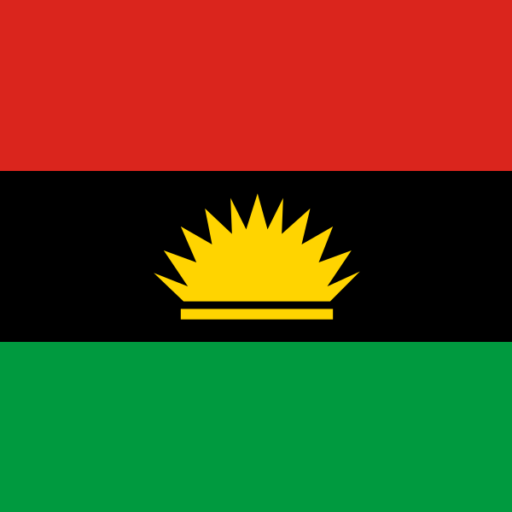
Freedom for Biafra
The Biafra Question: History, Identity, and the Pursuit of Self-Determination
The call for Biafran independence represents one of Africa’s most enduring and complex struggles for self-determination. Rooted in historical grievances, ethnic tensions, and questions of identity, the Biafra movement continues to shape political discourse in Nigeria more than five decades after the devastating civil war that first brought the name to international attention.
Historical Context: The Nigerian Civil War (1967-1970)
The Republic of Biafra was a secessionist state that existed in southeastern Nigeria from May 1967 to January 1970. The region, predominantly inhabited by the Igbo people, declared independence under the leadership of Colonel Odumegwu Ojukwu following a series of pogroms against Igbos living in northern Nigeria in 1966. These violent attacks, which resulted in thousands of deaths, created a humanitarian crisis as Igbos fled back to the southeastern region.
The Nigerian federal government, viewing secession as an existential threat to national unity, launched a military campaign to reclaim the territory. What followed was one of Africa’s bloodiest conflicts. The war resulted in an estimated 1-3 million deaths, many from starvation caused by a blockade that prevented food and supplies from reaching Biafra. Images of starving Biafran children shocked the world and sparked international humanitarian efforts.
Contemporary Biafran Movements
Today, several groups continue to advocate for Biafran independence or greater autonomy for the southeastern region. The most prominent include the Indigenous People of Biafra (IPOB), led by Nnamdi Kanu, and the Movement for the Actualization of the Sovereign State of Biafra (MASSOB). These organizations cite various grievances:
Political Marginalization: Supporters argue that the Igbo people have been systematically excluded from Nigeria’s highest political offices and that the region receives inadequate representation in government.
Economic Neglect: Despite the southeastern region’s significant contributions to Nigeria’s economy, activists claim the area suffers from inadequate infrastructure development and investment.
Historical Injustice: The memory of the civil war and post-war policies, including the controversial “20 pound policy” that limited bank withdrawals for Biafrans regardless of previous deposits, remain sources of resentment.
Cultural Identity: Proponents emphasize distinct Igbo cultural, linguistic, and historical identity as justification for self-governance.
Multiple Perspectives
The Biafra question involves competing narratives and legitimate concerns on all sides:
Pro-Independence Arguments: Advocates emphasize the right to self-determination, historical grievances, and the belief that an independent Biafra could better serve its people’s interests. They point to ongoing security challenges and economic difficulties within Nigeria as evidence that the current federation isn’t working for southeastern populations.
Nigerian Unity Position: The Nigerian government and many citizens view national unity as paramount. They argue that ethnic-based secession could trigger similar movements across Nigeria’s diverse regions, potentially leading to the country’s disintegration. They also point to constitutional provisions affirming Nigeria’s indivisibility.
Concerns About Violence: Security forces have clashed with pro-Biafra protesters, resulting in casualties and human rights concerns. Meanwhile, questions about maintaining peace and preventing another humanitarian catastrophe weigh heavily on any discussion of independence.
The Path Forward
The Biafra question raises fundamental issues about governance, identity, and rights in multi-ethnic states. Finding a resolution requires addressing legitimate grievances through dialogue, constitutional reforms, economic development, and ensuring all regions and ethnic groups have fair representation and opportunities within Nigeria.
Whether through greater regional autonomy, restructuring of the Nigerian federation, or other political arrangements, addressing the underlying concerns of those who feel marginalized remains essential for Nigeria’s stability and the wellbeing of all its citizens.
The memory of the civil war serves as a sobering reminder of the human cost of political conflicts, making peaceful resolution not just preferable but imperative.